
Coverage
Commercial property and business income coverage
Protect the physical home and the income that helps keep the recovery residence operating after a covered loss.
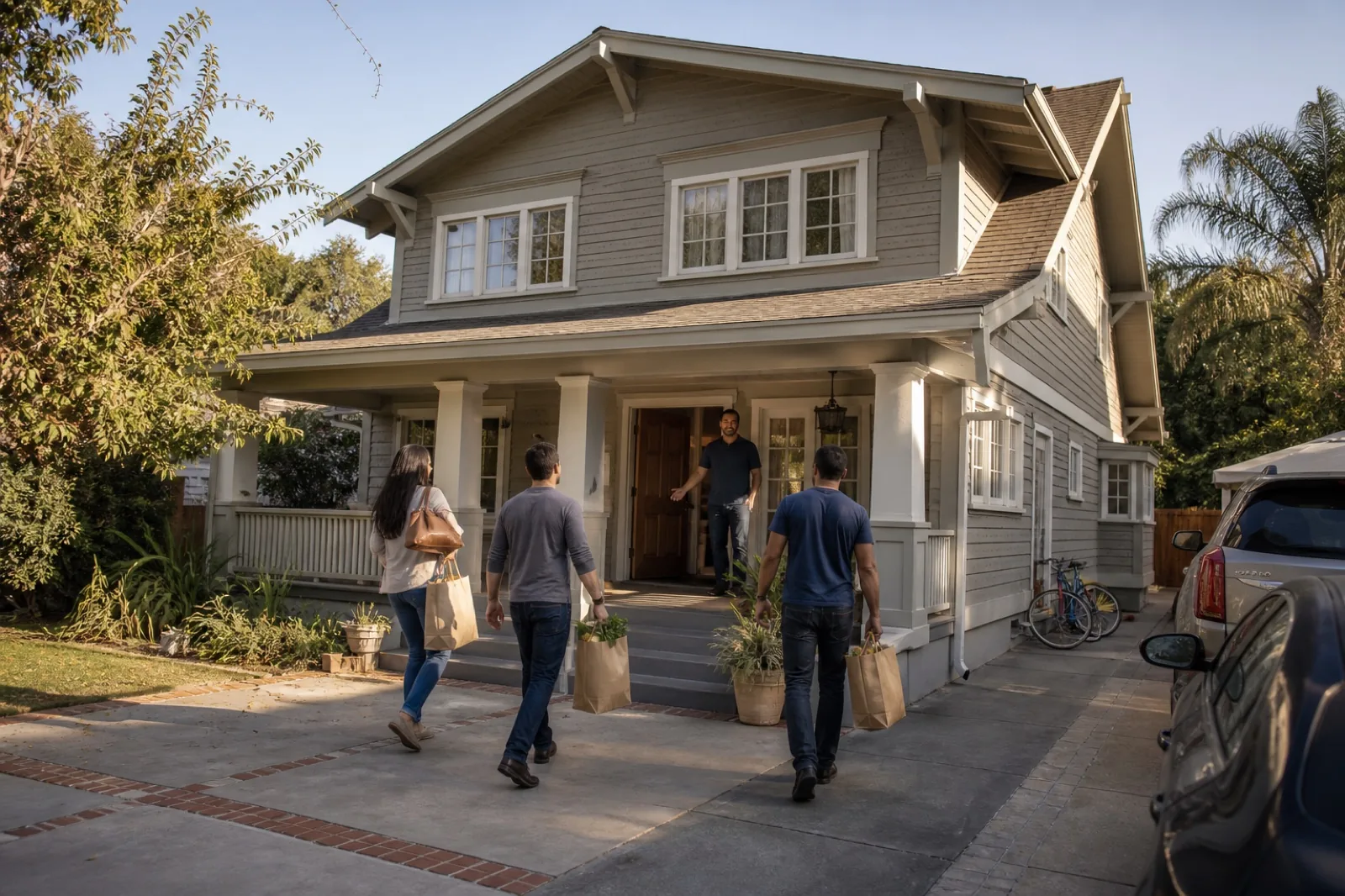
Property + continuity
Property coverage protects the building and what is inside it. Business income coverage protects what the building earns while it cannot be occupied. Most operations need both, sized to how the home actually runs.
01
The residence itself
Coverage may include the building, improvements and betterments, furniture, appliances, electronics and the equipment used to run the home. What is scheduled and at what value matters: a residence converted to sober living use is often insured for less than it would cost to rebuild, and furnishings in a twelve-bed home add up faster than owners expect. Ask whether the policy settles on replacement cost or actual cash value, because the difference shows up only at claim time.
Property + continuity
Protect the residence—and the income that helps keep it operating after a covered loss.
02
Income interrupted by a loss
A fire, a burst pipe or a storm can make a home uninhabitable. Business income coverage is intended to respond to the revenue lost while the residence cannot be occupied, and extra expense coverage to the costs of continuing to operate — temporary housing, moving residents, expedited repairs. The period of restoration and any waiting period are worth reading closely, because they determine when payments start and how long they last.
03
Ownership and insurable interest
The building owner and the operating company are frequently separate entities, sometimes with a lender or trust involved. Each party has a different interest to protect, and a policy written for only one of them can leave a gap. We review the lease, the ownership structure and any additional insured, loss payee or mortgagee requirements so the policy reflects the arrangement that actually exists.
04
What underwriters look at
Property submissions turn on details: construction type, year built, roof age and material, electrical and plumbing updates, heating, alarm and sprinkler protection, distance to a fire hydrant and station, and prior claims. Photographs and a recent inspection help. A home that can document its updates and protections often presents better than an identical one that cannot.
Frequently asked
Common questions
Will a landlord or homeowners policy cover a home run as a sober living residence?
Often not. Those forms are generally written for a conventional tenant or owner-occupant, and may exclude business activity, multiple unrelated occupants or the services a recovery residence provides. A property loss might be paid while a related liability claim is denied, which is the gap operators tend to discover late.
What does business income coverage actually pay?
Broadly, the income the operation would have earned had the covered loss not happened, for the time reasonably needed to restore the property. It is not a lump sum and it is not unlimited: the limit, the waiting period and the period of restoration in the policy all shape what is recoverable.
We lease the house. What are we responsible for insuring?
It depends on the lease. Operators commonly carry coverage for improvements they made, their own contents and equipment, and their business income, while the owner insures the building. Read the insurance clause in the lease before assuming, and confirm any additional insured wording the owner requires.
No existing policy needed
Tell us how your sober living home actually operates.
Most operators who contact us are insuring a sober living home for the first time. Tell us how the home runs and we’ll come back with the coverage options and pricing available for it.